Episodes
March 25, 2026
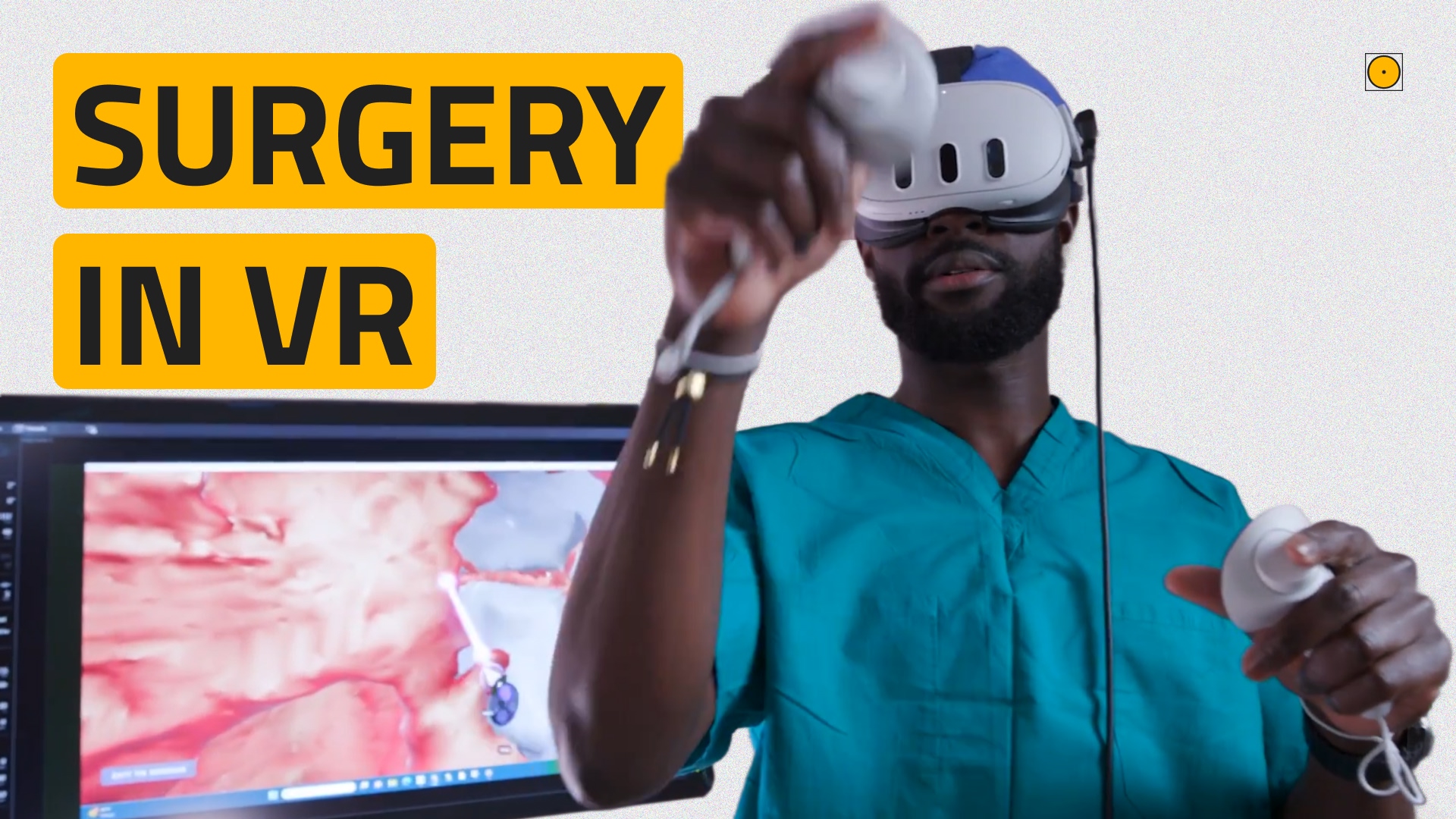
The Future of Surgery: Digital Twins and VR
Dr. Ryan Moore is a pediatric cardiologist and Chief Emerging Technologies Officer at Cincinnati Children’s Hospital, where he leads teams building AR, VR, robotics, and AI systems that can move from prototype to real clinical use. In this episode, Ryan breaks down how a children’s hospital ended up with an in-house Unity and Unreal “gaming lab,” and what it takes to prove value beyond a flashy demo. We dig into VR3S, their surgical planning platform that turns CT and MRI data into patient-speci...
March 11, 2026
How to get clients for AR Projects today
Today’s guest is Max Van Leeuwen, he is a digital creator known for his innovative work in augmented reality and more specifically Lens Studio. We discuss Max's creative journey, the importance of storytelling in AR projects, and the technical challenges faced when developing for Spectacles. The conversation also explores hand tracking, the role of mobile devices in AR experiences, and how to get started with Lens Studio. Max shares insights on integrating AI into AR and emphasises the need for ...
March 4, 2026
Open Brush is Not What You Remember
In this conversation, Andy Baker, lead developer at OpenBrush, and Sutu, a renowned digital artist, discuss the evolution of OpenBrush, a powerful VR creative tool. They explore its features, the experiences of artists using it, and the collaborative workflows it enables. The discussion also covers the importance of publishing and sharing creations, the future of VR as a creative medium, and the potential for community engagement. The guests emphasise the accessibility of VR and the transformati...
Feb. 25, 2026
Tools and Workflows for Shipping Web Games
James C. Kane is a Webby-winning developer and emerging tech artist pushing the boundaries of what #WebXR can do. We unpack how he builds narrative-first immersive experiences that grab attention in the first seconds, from establishing shots and pacing, to sound design, voice acting, and careful onboarding. James breaks down how he chooses between engines like Wonderland, PlayCanvas, and SparkJS and how he built and published his #GaussianSplatting based web game called “The Shadow of the Czar”....
Feb. 18, 2026
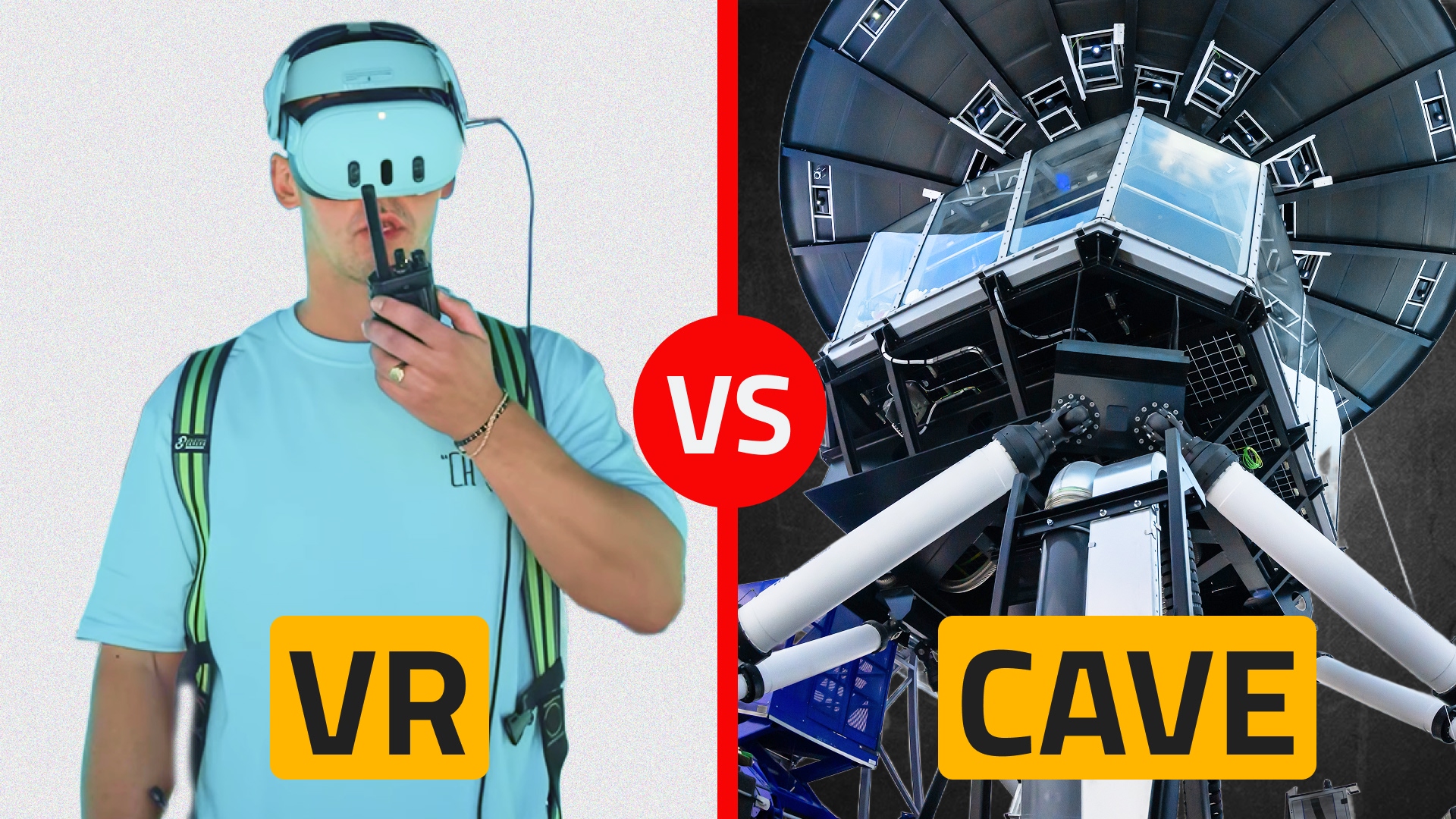
VR Vs CAVE Ship Simulators at MARIN
Giorgio Ballestin is a Technical Product Manager and XR specialist at MARIN, the Netherlands’ maritime research institute, where he owns the XR development roadmap and helps shape long-term simulation and digital twin capabilities. In this episode, we unpack how MARIN’s ship handling simulators evolved from large CAVE and motion-platform bridge systems into hybrid setups that add VR for deck-level and off-bridge operations. Giorgio explains why VR adoption is slower than it looks on paper, inclu...
Feb. 11, 2026
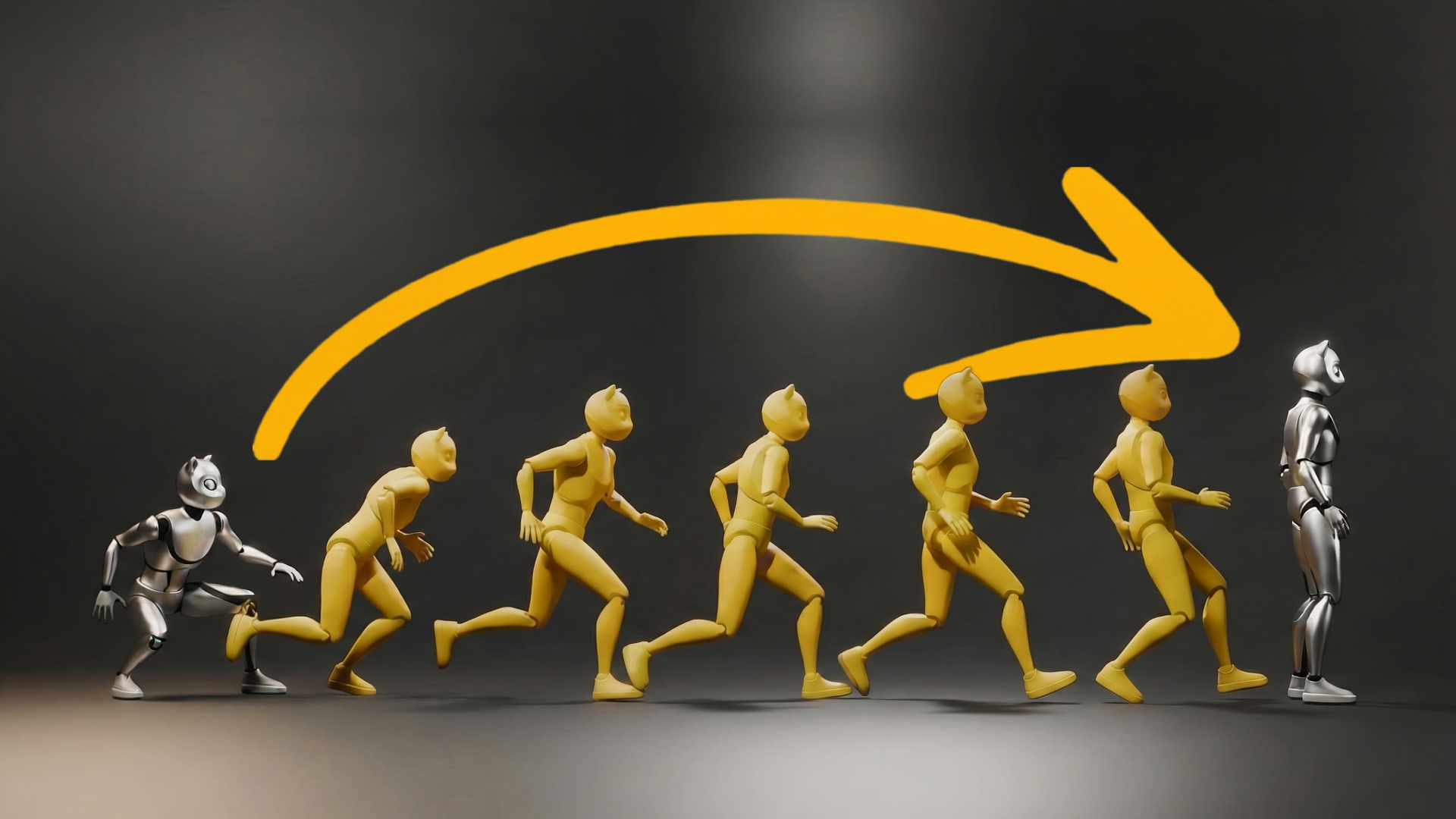
The Role of AI in 3D Animation
A single Cascadeur post on X triggered an uproar on social media. From excitement to hatred, the community of professionals and creatives voiced their feelings, asked legitimate questions and tried to understand how AI is reshaping the work of animators. To answer these questions, I talked with Alexander Grishanin, CTO of Cascadeur, who explains how Cascadeur defines AI versus machine learning, what is the state of the art when it comes to “procedural motion”, the ethical implications around tra...
Feb. 4, 2026
Geospatial AI Explained by Niantic Spatial
Asim Ahmed, multi-award-winning game developer and head of product marketing at Niantic Spatial, joins the show to break down how geospatial AI is reshaping both digital experiences and real world infrastructure. As one of the early marketing leaders behind Pokémon GO and a key force behind the Peridot franchise across mobile, mixed reality and AR glasses, Asim explains how Niantic Spatial is building a large geospatial model that gives machines a true understanding of the physical world. Listen...
Jan. 28, 2026
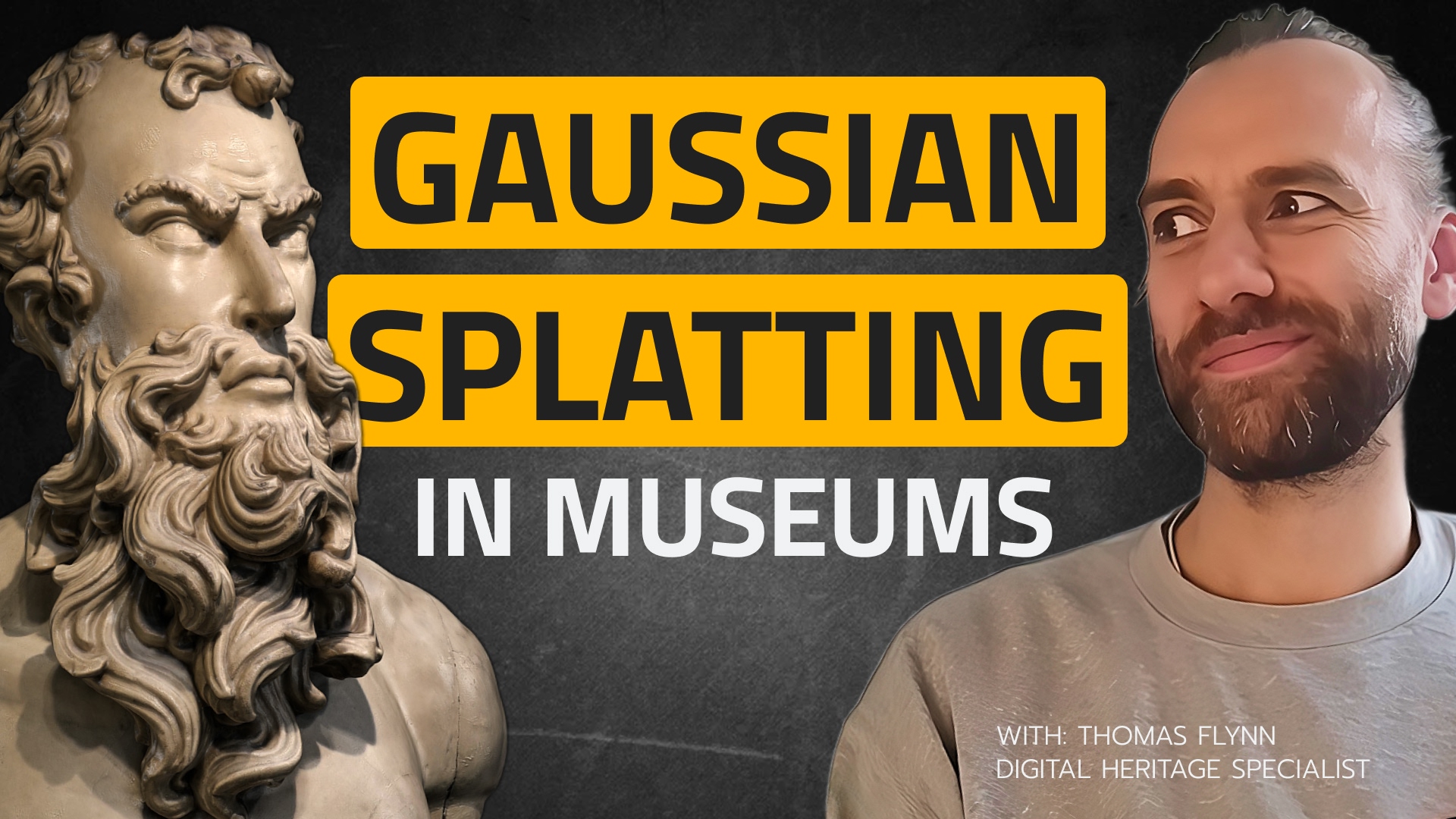
Gaussian Splatting for Cultural Heritage
In this episode we talk with Thomas Flynn, a digital heritage specialist with deep experience in 3D digitisation, open access, and online publishing. Thomas has worked with UNESCO, Europeana, Oxford University, Creative Commons, and served as cultural heritage lead at Sketchfab, where he helped launch the British Museum's first open 3D collection. In this conversation, he explains how museums and cultural organisations think about 3D capture, what Gaussian splatting can and cannot do for heritag...
Jan. 21, 2026
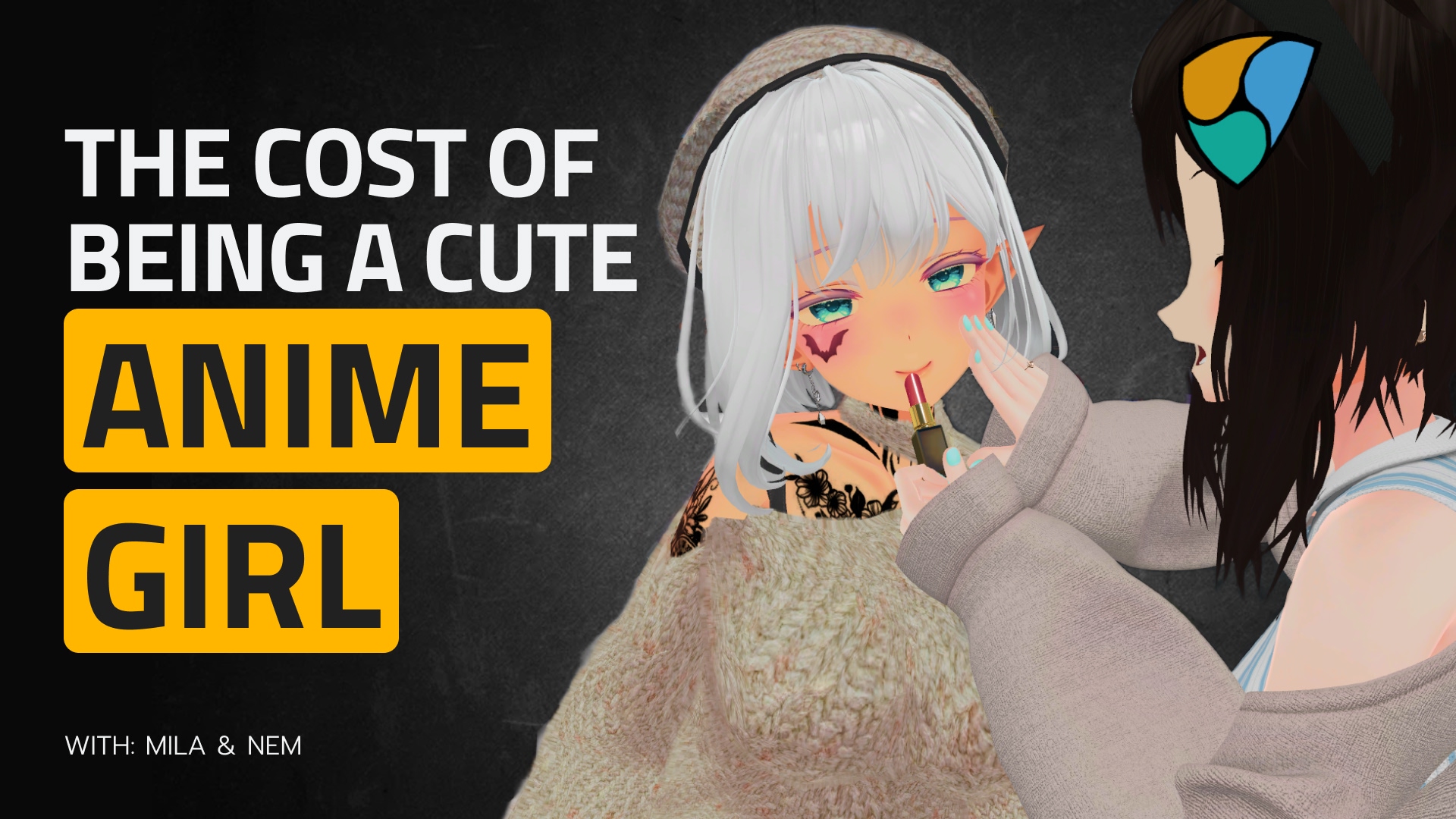
Social VR Identity and Economy: What the Data Shows
Mila is a PhD student in Switzerland and a researcher of social VR culture, known for a multi-year survey series on metaverse identity, harassment, and now virtual economies. In this episode, we unpack what people actually do in worlds like VRChat, and why platform design shapes everything from avatar choices to spending habits. Mila explains the shift toward semi-humanoid avatars, why many male users present as feminine, and how researchers handle sensitive questions across English and Japanese...
92
Jan. 14, 2026
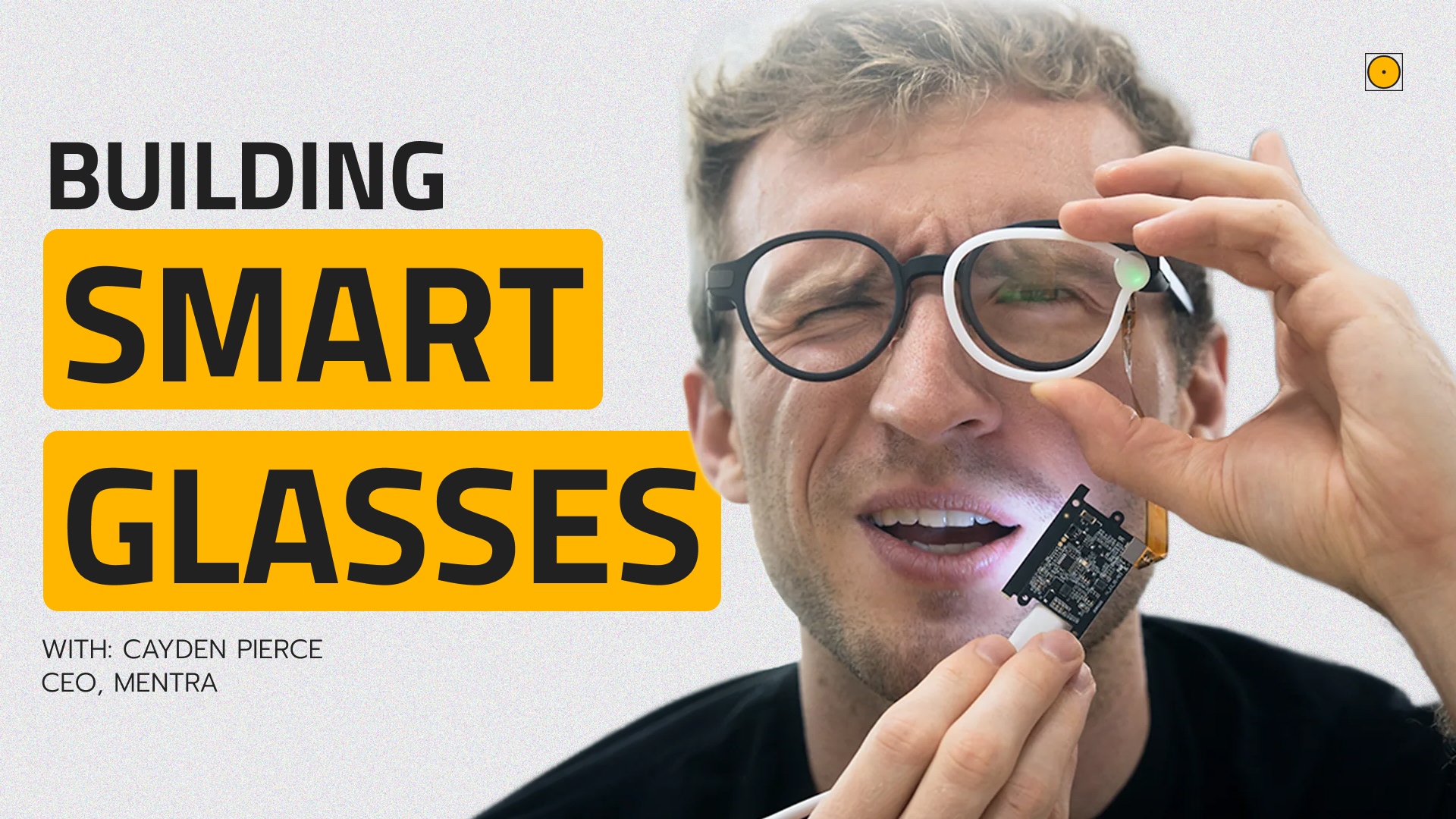
These AI Smart Glasses Last the whole day
Cayden Pierce, CEO of Mentra, joins the show to discuss how his team is building an operating system for the next generation of personal computing through #smartglasses. Drawing on experience from MIT, building #AI agents, and earlier work with Steve Mann, he explains why all day wearability is the true barrier to mass adoption and how Mentra approaches power, latency, and ergonomics differently. Cayden breaks down the distinct roles of display glasses and camera glasses, why accessibility use c...
91
Jan. 7, 2026
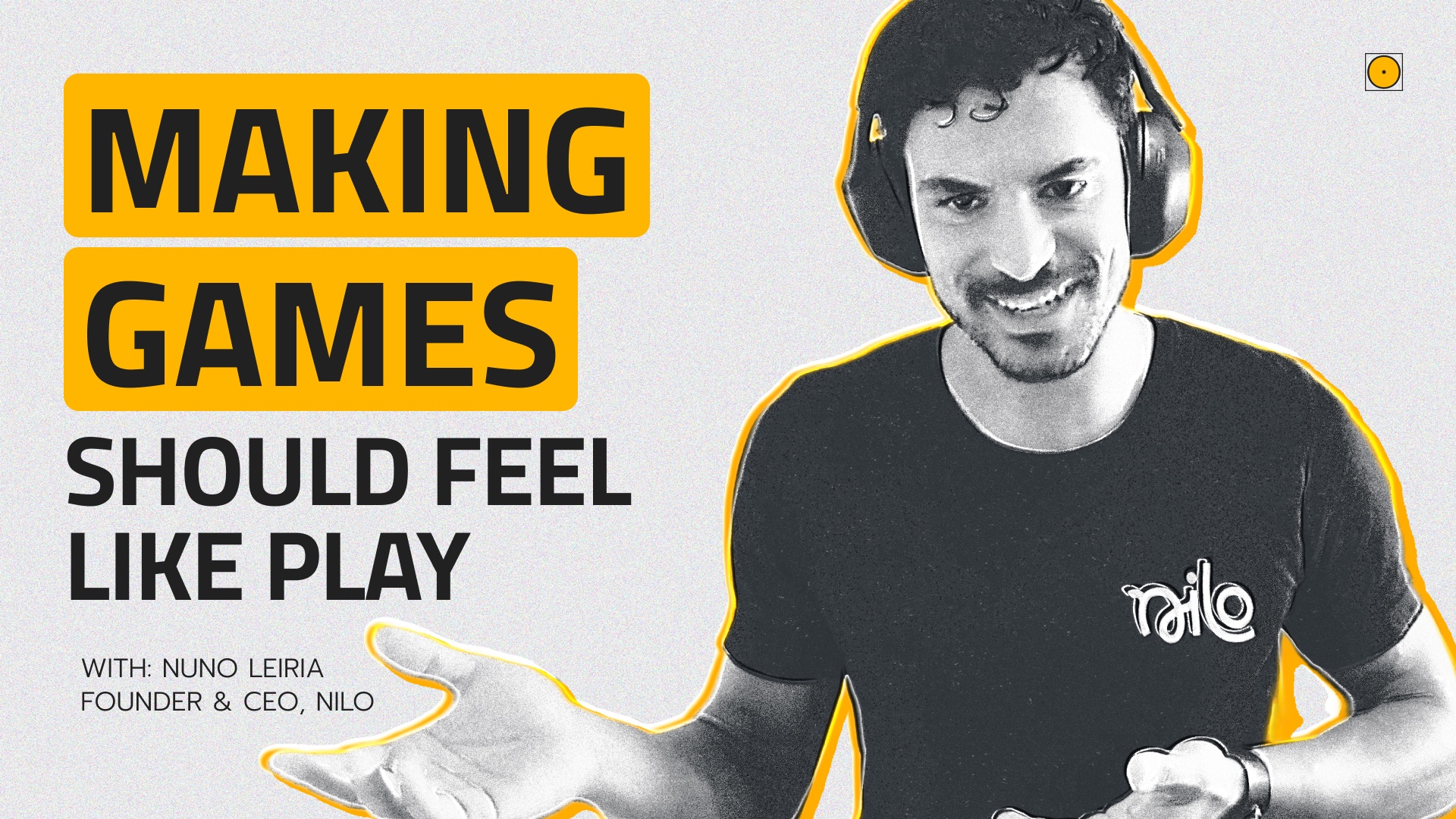
This AI Game Engine Feels Like a Toy
Nuno Leiria, founder and CEO of Nilo and former performance lead for Unreal Engine 5 and Fortnite at Epic Games, breaks down how Nilo lets anyone build playable 3D worlds in the browser in minutes without complex #GameEngines. He explains the sketch to #3D pipeline, where #AI handles modelling, rigging, animation, and starter code, and why latency is the key design constraint. We dig into real-time co-creation, remixable templates, and “creative generation” that assembles complex scenes from pri...
91
Dec. 10, 2025
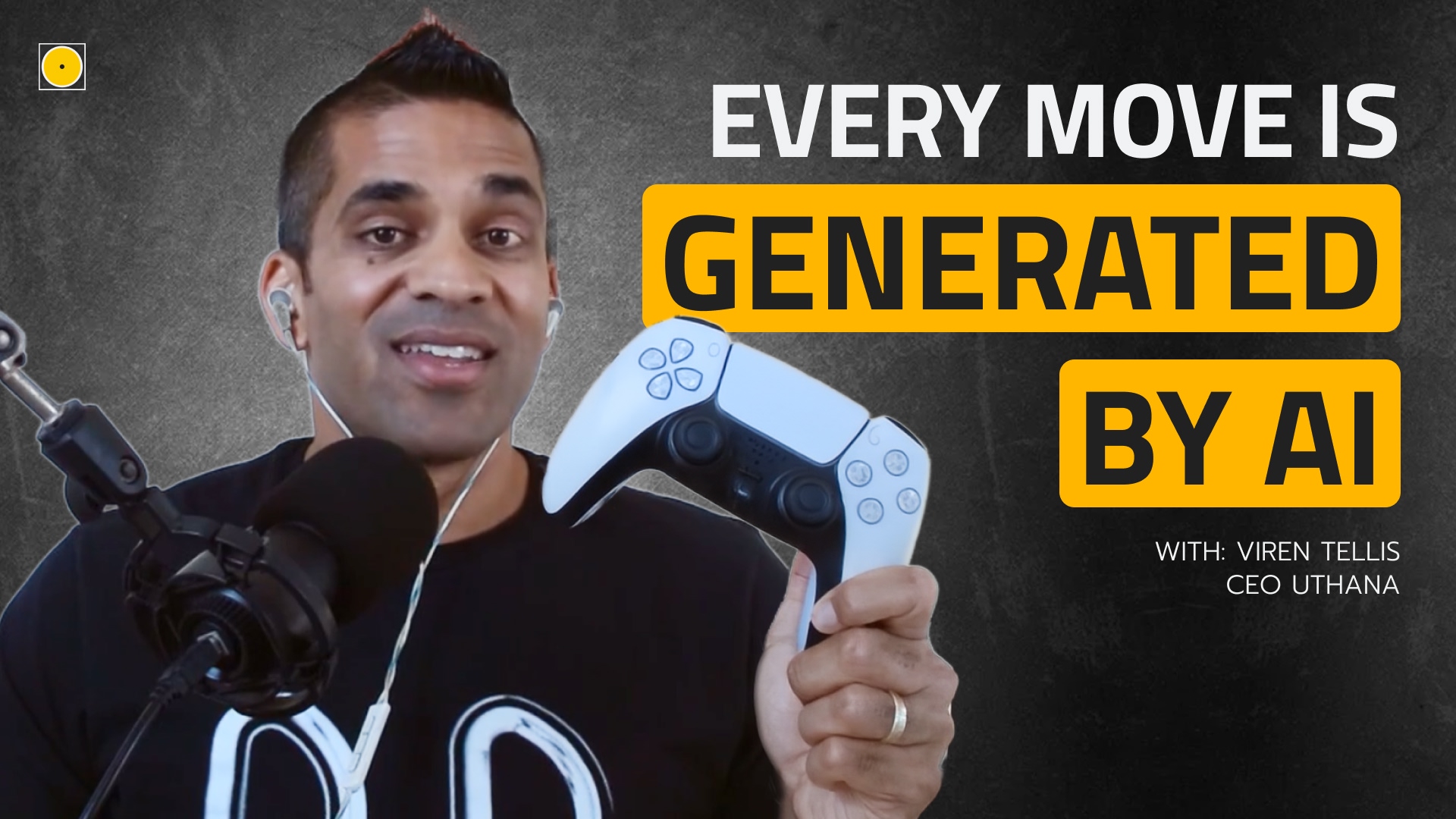
This AI Can Control Characters in Real Time
Viren Tellis, co-founder and CEO of Uthana, joins the show to discuss how generative AI is reshaping motion creation for games, VFX, and interactive worlds. With over 15 years of experience leading product and operations teams at AppNexus and Hedado, Viren explains how Uthana’s technology can generate animation from text, video, or even in real time, giving creators instant, controllable motion without traditional mocap setups. He breaks down how developers use Uthana’s SDKs and APIs in Unreal, ...
86
Dec. 3, 2025
From 3D GenAI to the End of Game Engines
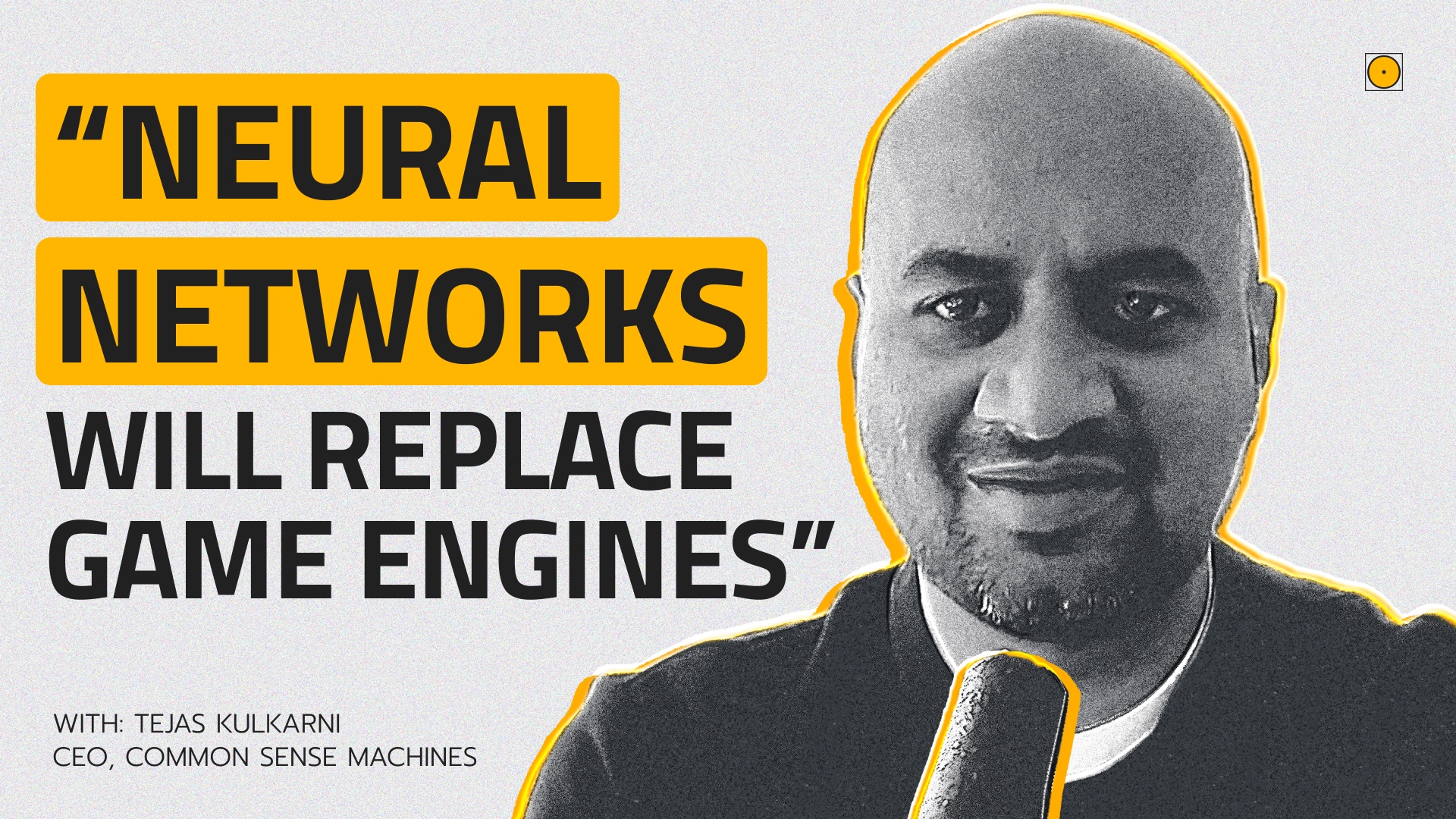
Tejas Kulkarni, CEO of Common Sense Machines and PhD in Brain and Cognitive Sciences and AI from MIT, explains how CSM turns images and sketches into game-engine ready 3D assets. He breaks down why CSM ranked highly on the 3D Arena human evaluation, what “good” means in 3D generation, and how geometry, texture, topology, and parts segmentation affect real workflows. We discuss modular pipelines, UV mapping, controllability, and integration with Blender, Maya, Unity, and Unreal. Tejas contrasts m...
90
Nov. 19, 2025
The Next Evolution of Motion Capture for VFX Artists
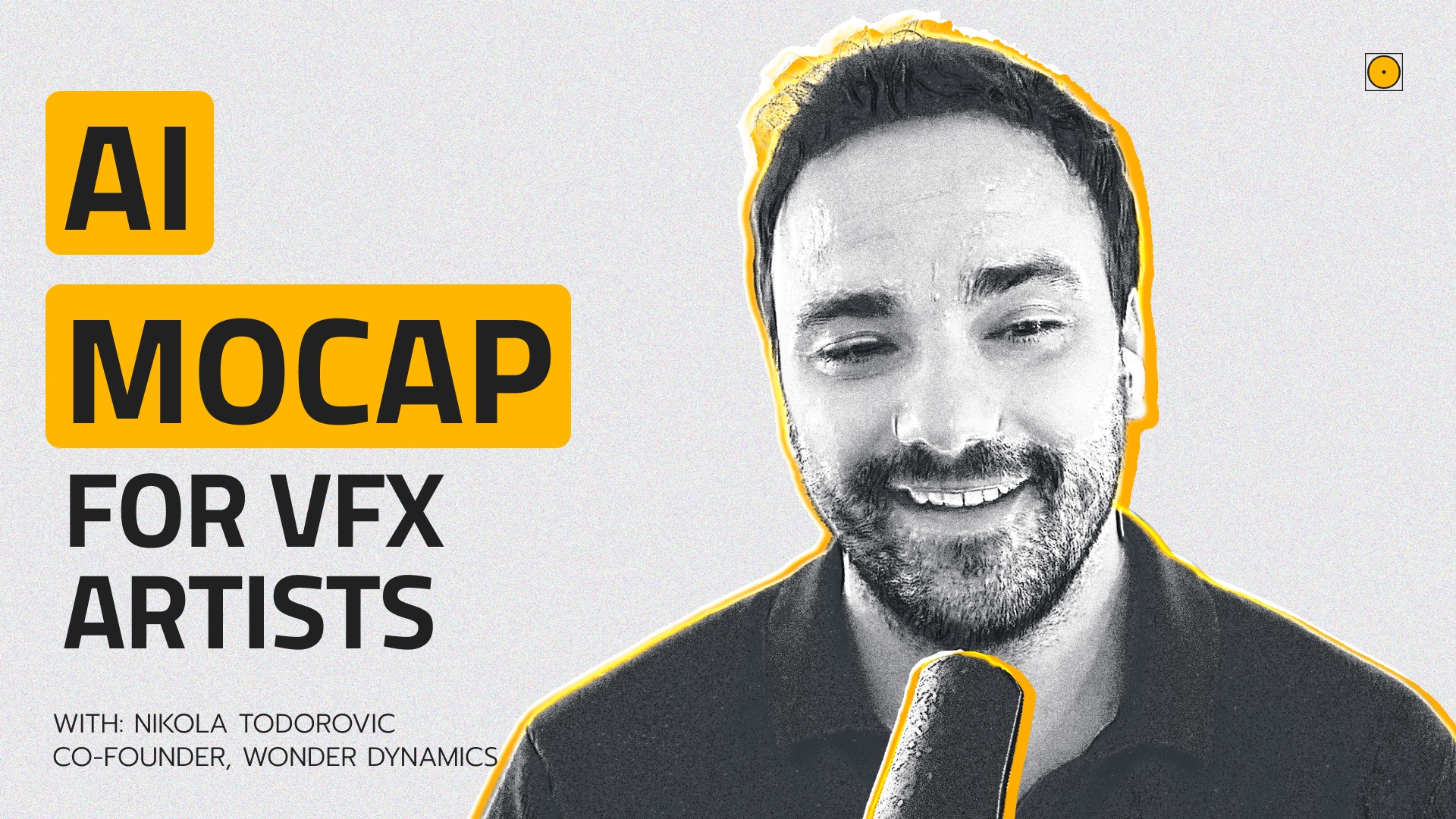
Nikola Todorovic, filmmaker, VFX supervisor, and co-founder of Wonder Dynamics (now Autodesk’s Flow Studio), shares how AI is reshaping 3D animation and post-production. In this episode, he explains how Flow Studio simplifies motion capture and compositing through video-based mocap, motion prediction, and automatic generation of passes like lighting and camera tracking. Nikola discusses the shift from black-box AI tools to transparent, editable workflows, the importance of synthetic data, and th...
89
Nov. 12, 2025
Gaussian Splats Are Now Web Ready
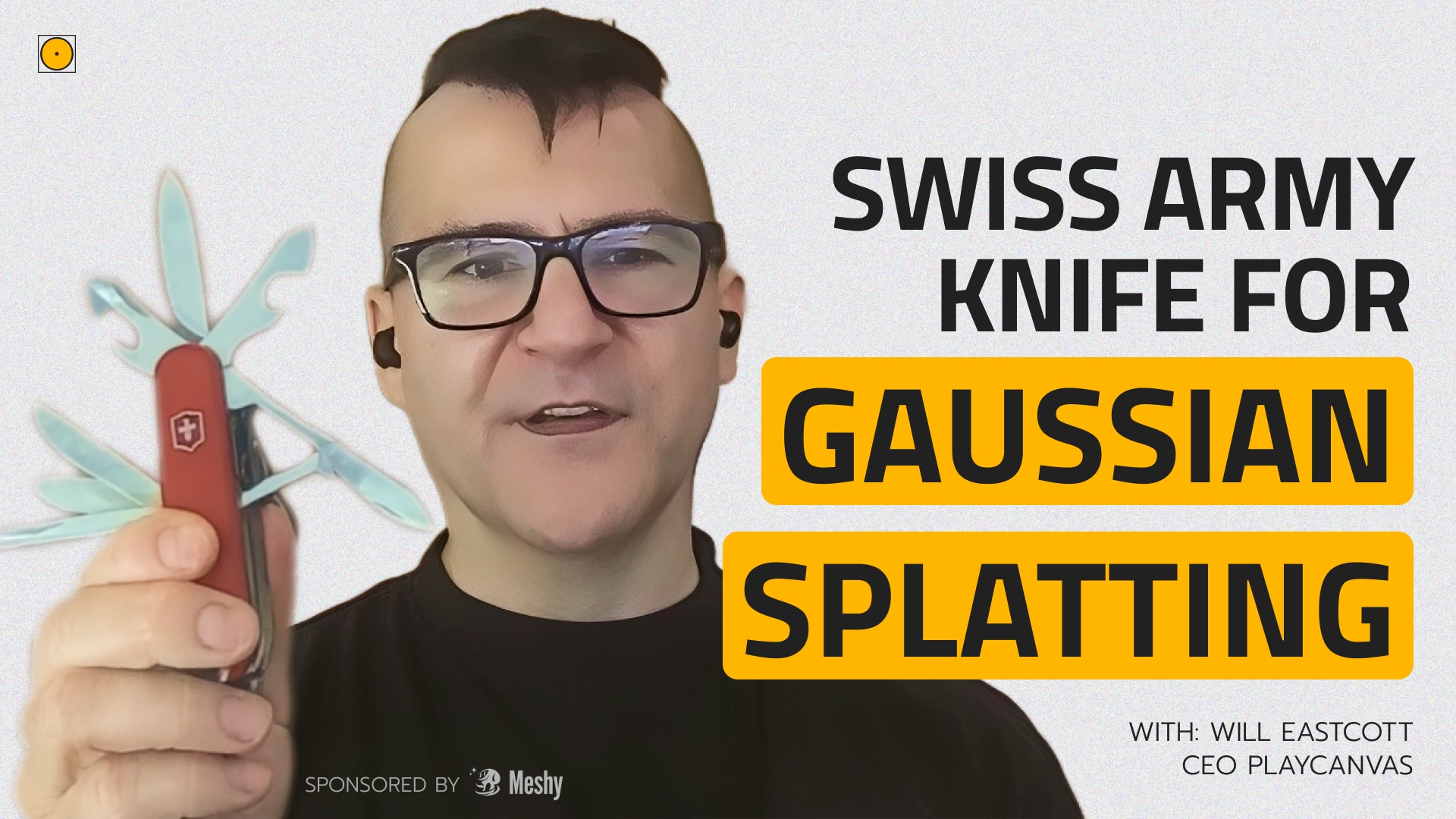
Will Eastcott, CEO of PlayCanvas and veteran of EA, Sony, and Activision with credits on GTA, Call of Duty, and Max Payne, explains how Gaussian splatting is moving from experiments to production. He breaks down SuperSplat, an open source editor for cropping, recoloring, and optimizing splats for the web, and details a streaming level of detail system that scales from phones to desktops. Will shares how the new SOG format, built on lossless WebP, can cut files by up to 95 % while preserving qual...

88
Nov. 6, 2025
Why Laser Dance Took 3 Years to Build
Thomas van Bouwel is an indie XR game developer known for Cubism, one of the most successful puzzle games on Quest. In this episode, he shares the three-year journey of building Laser Dance, a rhythm stealth game that turns your living room into a laser-filled obstacle course using mixed reality. Thomas explains how rapidly evolving SDKs, scene meshing, and body tracking changed the game’s design mid-development, why real room geometry creates both magic and technical chaos, and how extensive pl...
85
Oct. 29, 2025
Why These AI Glasses Beat Big Tech
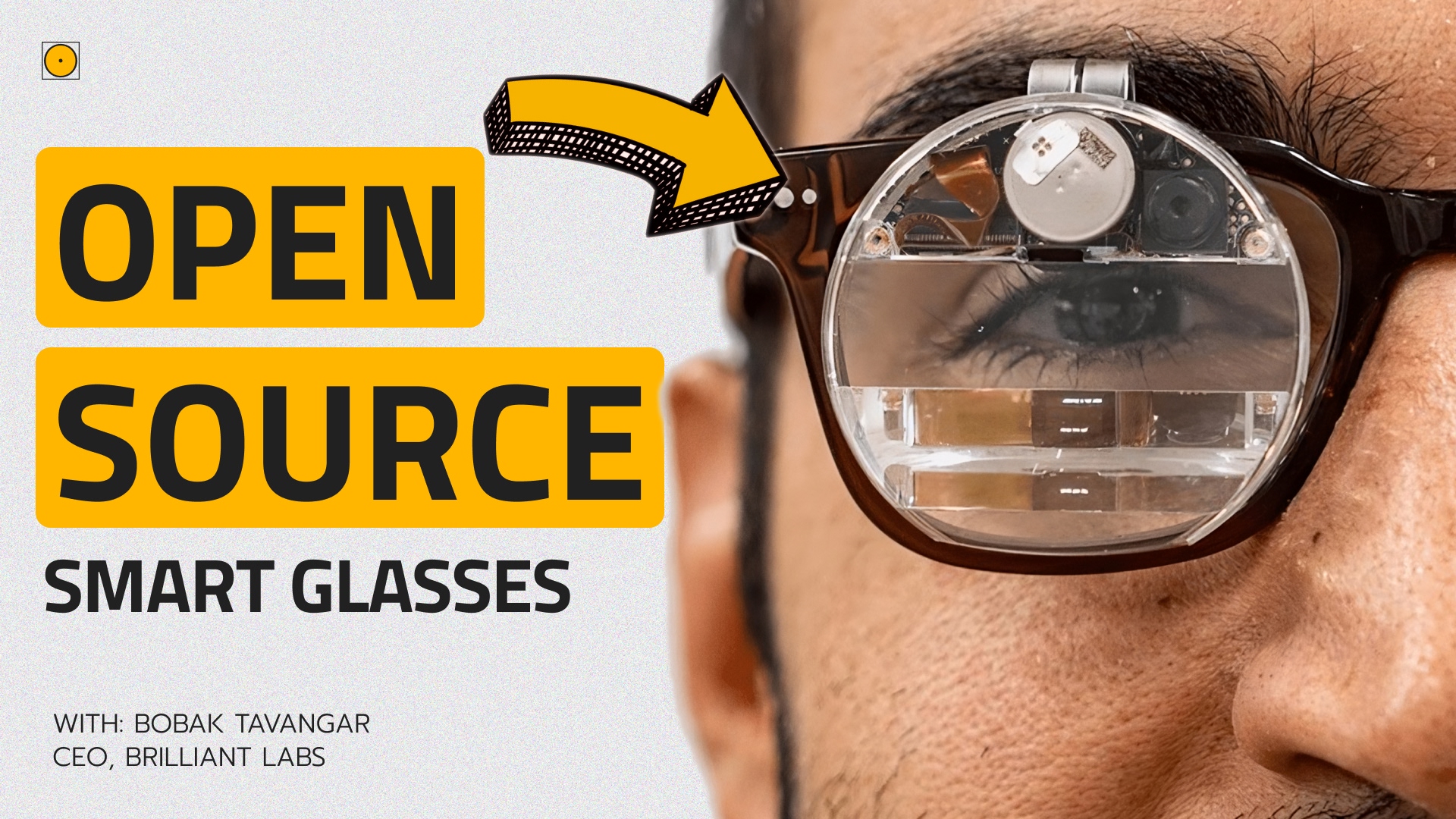
Bobak Tavangar, co-founder of Brilliant Labs, joins the show to unpack Halo, the lightweight open-source AR glasses built for AI-first computing. Unlike camera-heavy smart glasses designed for social media, Halo focuses on continuous low-power sensing, on-device AI inference, and full-day wearability—turning an AI agent into a true “second brain.” Bobak explains how Halo handles privacy by discarding raw media and storing only embeddings, why open source is critical for innovation, and how devel...
84
Oct. 22, 2025
AI Workflows for XR Developers
Preston Platt, CTO and founder of Rock Paper Reality, joins the show to share how his team pushes the limits of XR development by blending AI workflows with rapid prototyping. With more than 16 years of experience in 3D modelling, animation, and spatial computing, Preston has built AR and MR projects for mobile, smartglasses, and headsets like the Apple Vision Pro. In this conversation, he explains how his studio embraces AI to accelerate code and asset generation, the role of generalists in cre...

84
Oct. 8, 2025
Roy Rodenaheuser
Roy Rodenaheuser is a London-based Creative Technologist with over 12 years of experience at Yahoo, Unity, and Capgemini. In this episode he shares the story behind Canvastique3D, a project he launched in 2024 that blends physical creativity with real-time 3D visualization. Canvastique3D allows designers, artists, and even industries like textiles and furniture to project physical materials and artwork directly onto digital 3D models, opening new possibilities for rapid prototyping and product v...
83
Oct. 1, 2025
Creativity in the Age of AI Is Not What You Expect
Manuel, a TEDx speaker, former head of XR Design at IBM Canada and Currently Emerging tech Advocate at Unity, brings 15 years of experience across industries from aerospace to gaming and now teaches at institutions like Harvard, Stanford, and MIT. In this episode, he discusses how creativity is shifting in an era where AI lowers barriers to entry, allowing more diverse voices to contribute. Manuel shares insights from his cultural preservation project Protopica, created with filmmaker Will Selvi...
82
Sept. 24, 2025
What Nobody Tells You About 3D GenAI
Philip is a VFX artist at RiseFX creating visual effects for Films and TV Shows. He is growing an incredible a youtube channel called Pixel Artistry covering the latest tools and workflows in the rapidly evolving world of 3D GenAI to share his learning with a growing community of over 8000 subscribers. His content is some of the best I have found when it comes to 3D GenAI. His videos are both clear and actionable and today I sit down with him to learn: How he deals with the current limitatio...
79
Sept. 17, 2025
Breaking Into XR: A Developer’s Journey from Content Creator to Meta Engineer
Roberto Coviello is an engineer at Meta Reality Labs, where he builds open-source showcases and samples to help push XR development forward. He’s also known for his YouTube Channel full of in-depth XR tutorials that played a key role in his career. In this conversation we look at: How he started his professional journey as a developer, turned content creator, and the path that led him to become a Software Engineer at Meta We look at several SDKs provided by Meta and what he thinks is ...
81
Sept. 10, 2025
How XR and AI Are Reshaping Fitness
Sam Cole is the CEO and a co-founder of FitXR. He is a firm believer in the benefits of regular exercise for physical and mental health, and since the conception of VR, he turned his vision of delivering immersive fitness into a reality for hundreds of thousands of people who have rediscovered that movement can be fun thanks to FitXR. In this conversation We take a deep dive into FitXR and learn how the team keeps innovating He shares the lessons he learned as a founder when rapidly g...
79
Sept. 3, 2025
Rethinking the role of Designers in XR and AI
Mo dedicated over 18 years to designing solutions that empower people and make a meaningful impact. This includes more than 8 years in immersive XR, spatial computing, and AI-powered products, leading in-house and remote teams across pioneering startups like ShapesXR, Gravity Sketch and FitXR, forward-thinking agencies and more recently as Senior product designer at Meta. We tap into his experience when hiring designers His take on the role of designers within bigger and smaller organ...